


TL;DR
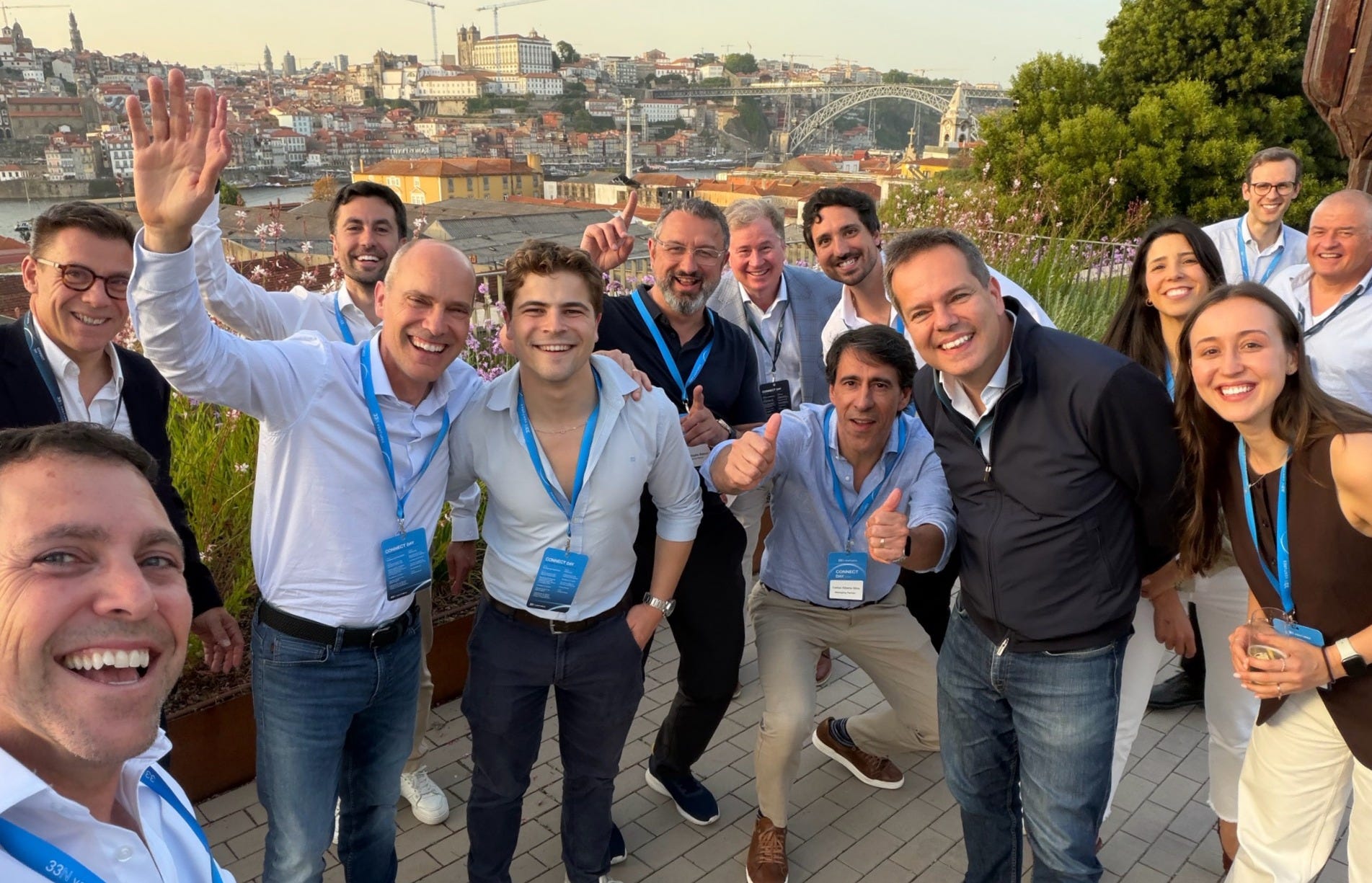
33N Connect Day, our annual event, just happened. Key messages:
🔐 Security is the market’s bright spot — multiples at a premium, CIOs increasing security budgets while the next wave of AI security is just emerging
🤖 AI is a new operating model, not a productivity tool — organisations that treated it as an add-on failed; the ones that redesigned from scratch thrive
⚡ The biggest AI winners are deploying imperfect systems today — learning and iterating faster rather than waiting for perfection
🛡️ European VC returns match the US at the top — yet cyber gets less VC funding in Europe vs US, and more growth stage capital is needed.
State of the Nation — Carlos & Carlos, Managing Partners at 33N
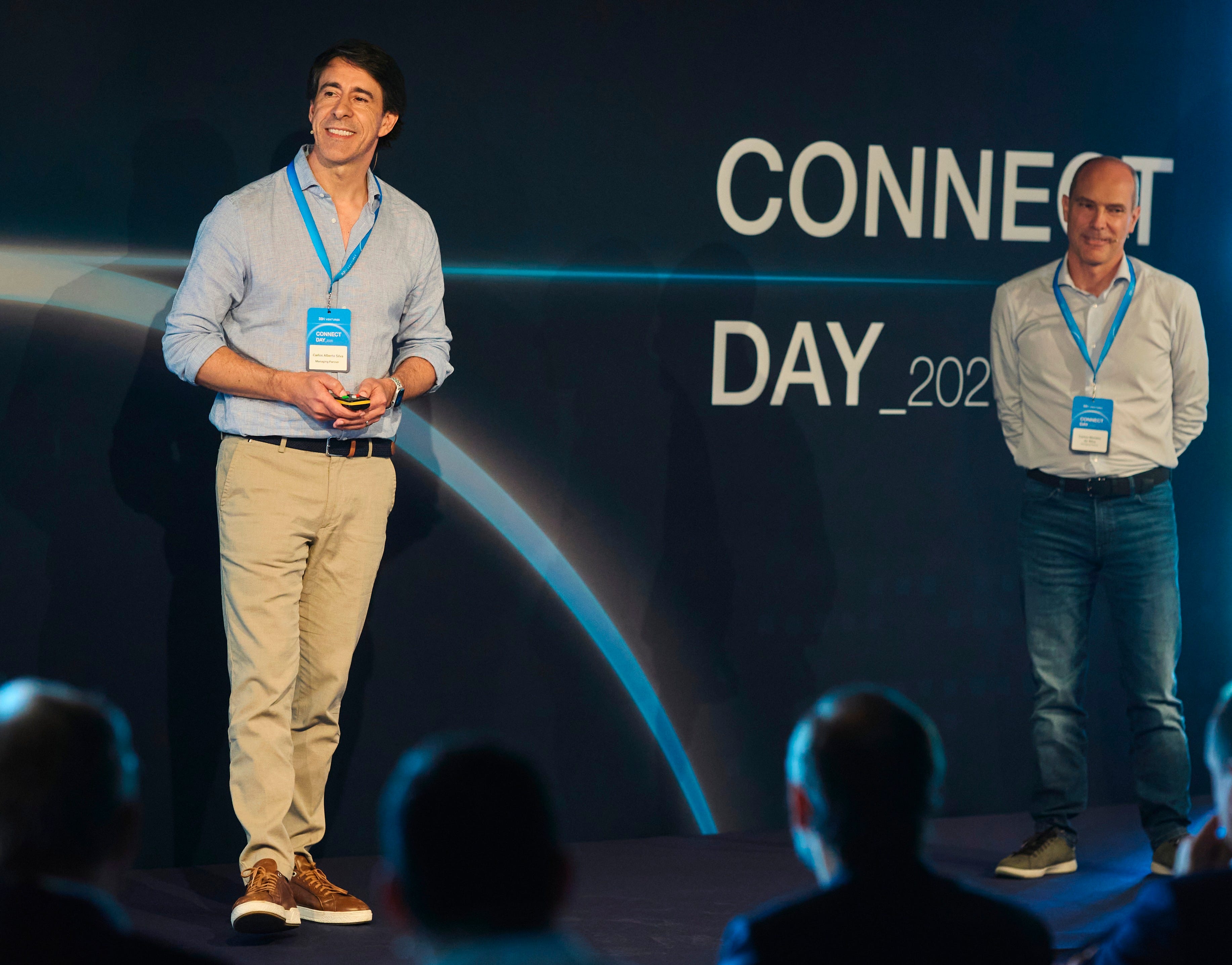
The event brought together 130+ founders, investors and cyber strategists into one room, doubling the scale from last year. Speakers from Goldman Sachs, EIF, NATO, Secret Intelligent Services, UAE Government, as well as leading corporates and scale-ups in Cyber&AI. The room felt aligned, while reckoning with some of the biggest challenges of our time.
Setting the scene for all discussions, the Carlos shared how the world is moving faster than most expected:
AI keeps gaining relevance across the line from experimentation to deployment, with GenAI adoption reaching 80%
Security moved from an IT line item to a boardroom and command center priority, as AI increases the attack surface from data to wisdom and knowledge, pushing for a 2x increase in security budgets as a % of IT budgets
Defence pulled to the centre of European strategy, leading to an unprecedented increase in spending not seen in decades
To address the opportunity, 33N discussed working towards a Growth Fund, as a natural extension to the mission of supporting the best companies for longer as they scale.
Among the sessions that followed, three stood out in setting the market frame for the day:
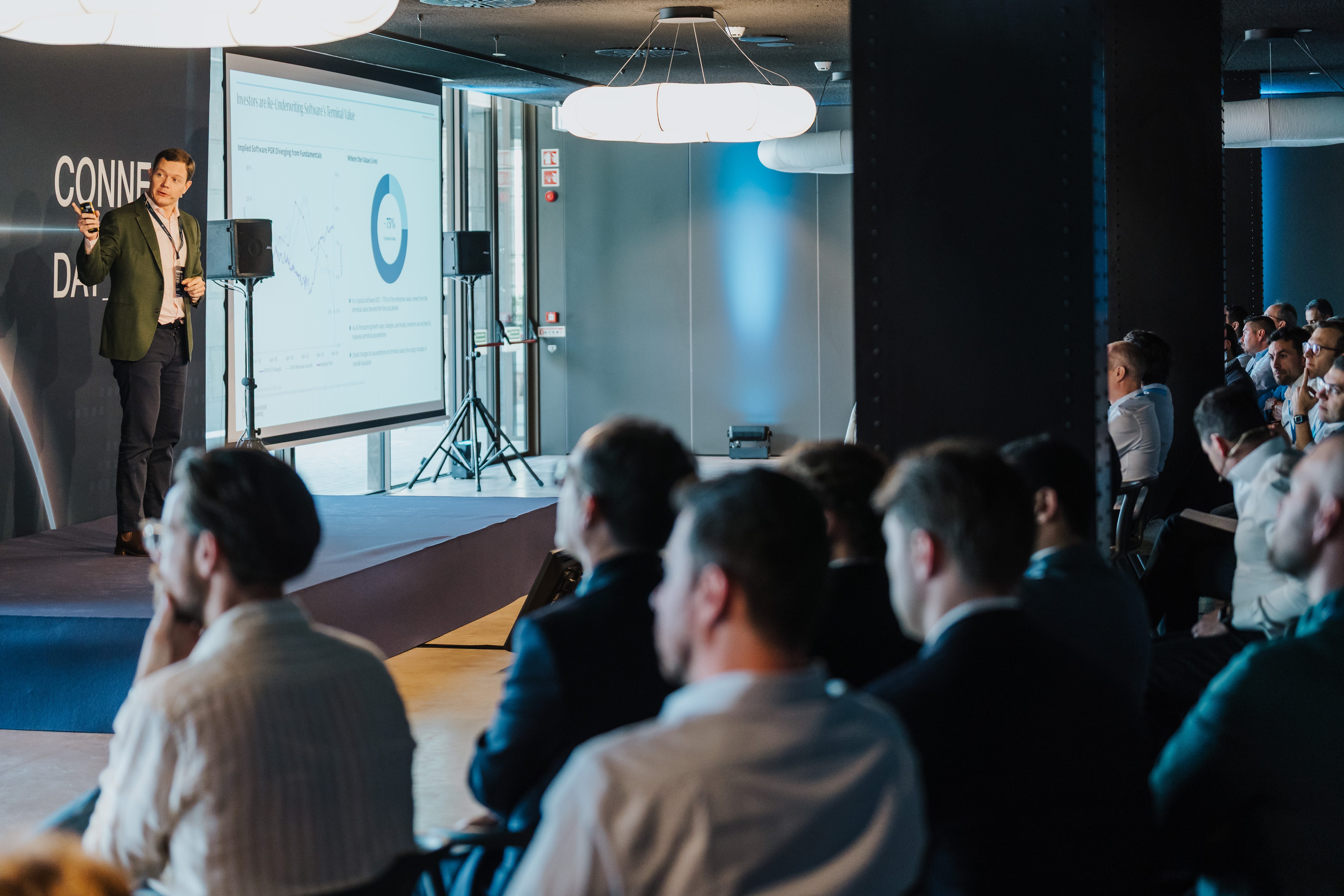
Why security is the bright spot — Marco Poletti, MD and Global Head of Security Investment Banking at Goldman Sachs
Marco provided an overview on structural market drivers of the present and future in software & cyber:
Software multiples (Avg EV/NTM Revs) have contracted from 5.3x in 2024-2025 to 3.4x in 2026 year-to-date.
The decline in software multiples has to do with changes in terminal value assumptions, driven by concerns about AI threatening top-line growth, gross margins and moats.
Where do we go from here? An optimist’s view outlines four levers:
Long-term solution to the Middle East war
Normalisation of software valuations based on AI winners versus losers
Bending the curve on AI capex spend (post datacenter/AI investment)
Mega IPOs on the horizon
Security is still a bright spot. Security Avg EV/NTM Revs trade at 3.5x versus 3.1x in software and Avg EV/NTM FCF trades at 24.2x versus 13.9x in software.
Cybersecurity spend is resilient. 68% of CIOs expect to increase security budgets in the next 12 months.
The current wave of embedding security in infrastructure driven by AI security is still emerging.
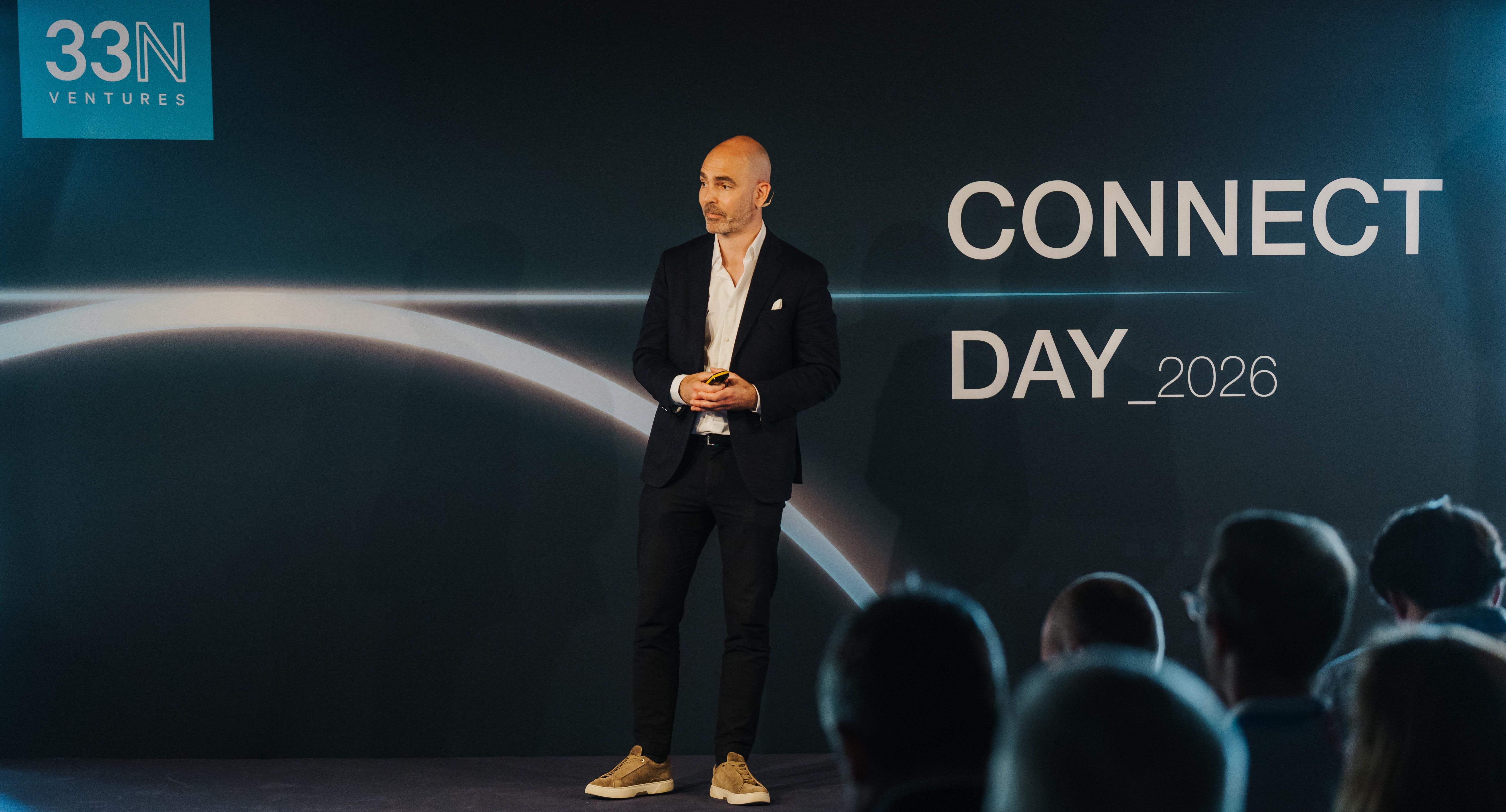
The European capital gap — Patric Gresko, Head of Division at European Investment Fund (EIF)
EIF has been backing Venture Capital funds for 30+ years - around €45bn committed, roughly half into venture. Their data-backed conclusions on the European landscape:
Today’s European landscape doesn’t have one single hub; innovation can happen anywhere across Europe
Emerging managers consistently outperform non-emerging managers
Since 2009, top quartile funds return c.10-15% Net IRR, Median 5-10% and lower quartile at least cash back
Net IRR for top quartile funds in Europe are at par with top quartile US funds
However, in later-stage funding (ie. rounds >100m$), there is still 6x less capital in Europe than in the US
In cybersecurity, there is 4-5x less VC funding in Europe than in the US
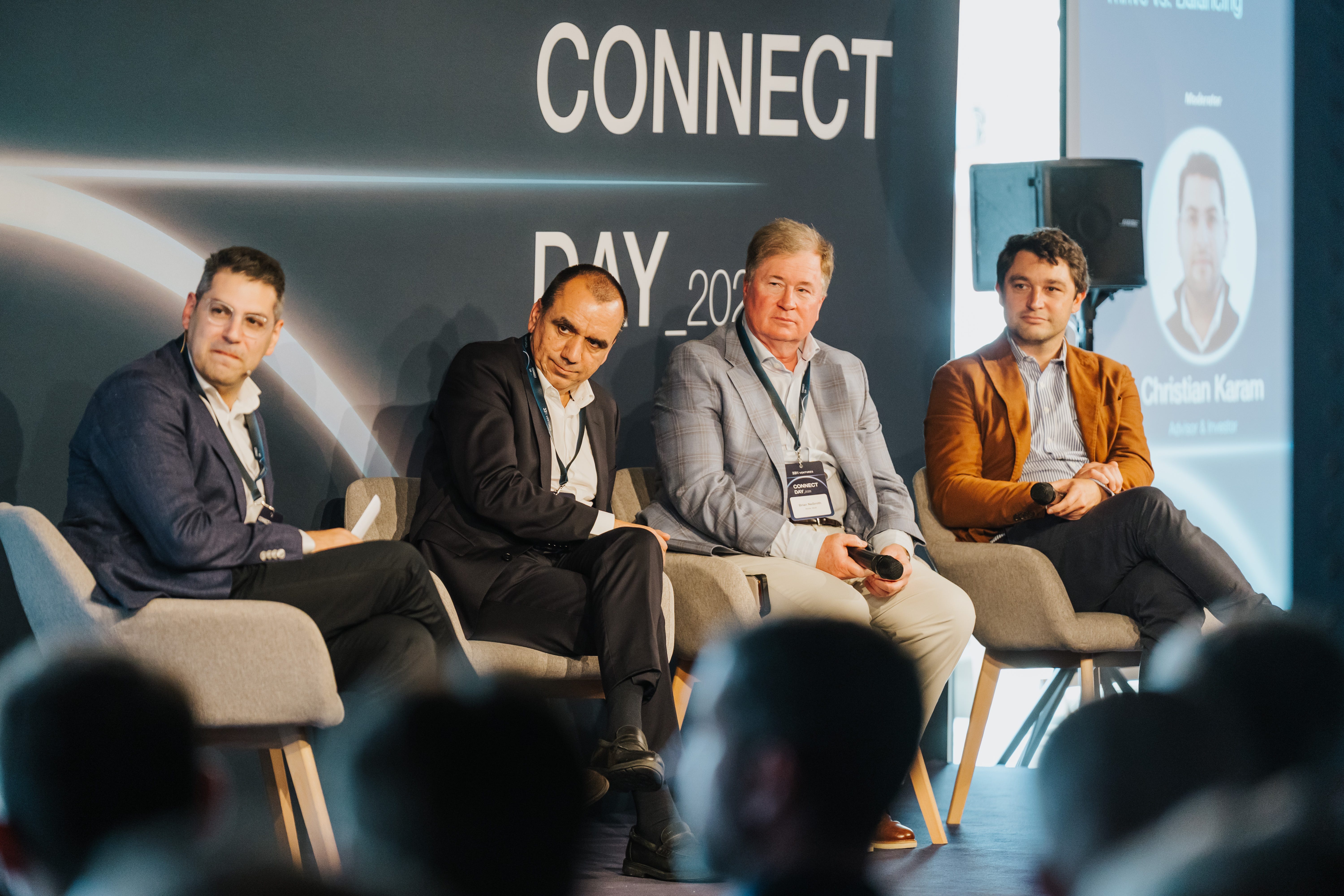
The race to deploy AI: thrive vs balance risks
The discussion panel on AI transformation was one of the most expected:
Most early AI deployments failed because they simply inserted AI into existing human workflows; redesign for machine execution is the winning approach
Organisations should treat AI as a new operating model, rather than a productivity add-on; a notable example from satellite and earth-observation systems:
Instead of transmitting huge amounts of raw imagery, satellites can run AI models onboard and send only relevant insights
Data volumes are dramatically reduced, enabling real-time intelligence use cases that were previously impossible.
Security operations provide some of the strongest examples:
~1/3 of operational costs are tied to SOC data processing
Threat detection times fell from ~28 minutes to 8 milliseconds
70% of customer tickets and notifications are now fully automated
A major barrier to adoption was the belief that AI systems must be nearly flawless before deployment - younger engineering teams tended to embrace this mindset faster
Modular, API-based architectures are preferred over large monolithic systems, reducing attack surface and operational complexity
Organisations are still defining acceptable norms and accountability structures
Companies increasingly evaluate candidates based on whether they naturally use AI tools to solve problems
Plenty of reasons to be excited about the years ahead. Let the winds keep blowing.
33N Portfolio Updates 🚀
Apono
Hired Nisim Cohen (CFO), Valery Milman (Head of Customer Experience, US) and Patrick Drago (VP Mid-Market Sales) 👉 Read more
Equixly
Joins the Wiz Integration Network (WIN), bringing continuous API penetration testing to the Wiz ecosystem 👉 Read more
Panorays
Recognized as a Leader in The Forrester Wave™: Cybersecurity Risk Rating Platforms, Q2 2026 👉 Read more
Upcoming Events for 33N 🤝
InfoSecurity Europe, London, 2-4 Jun
South Summit, Madrid, 3-5 Jun
London Tech Week, London, 8-12 Jun
Super Return Venture, Berlin, 8-10 Jun
OWASP Global AppSec, Vienna, 22-26Jun
GITEX Europe, Berlin, 30Jun-1Jul
Raise Summit, Paris, 8-9Jul